
A Greener Future with Sustainable Solutions
At Keynius, sustainability is at the core of everything we do. We are committed to creating safe, high-quality products while ensuring ethical, respectful business practices that benefit not only today.

We prioritize using Recycled Steel

Designed and manufactured entirely in the Netherlands.

15%
50%
100%
250K+
“We believe in leaving the world better for future generations. For us, this means working daily to improve the way we source materials, streamline logistics, and care for the people we work with.


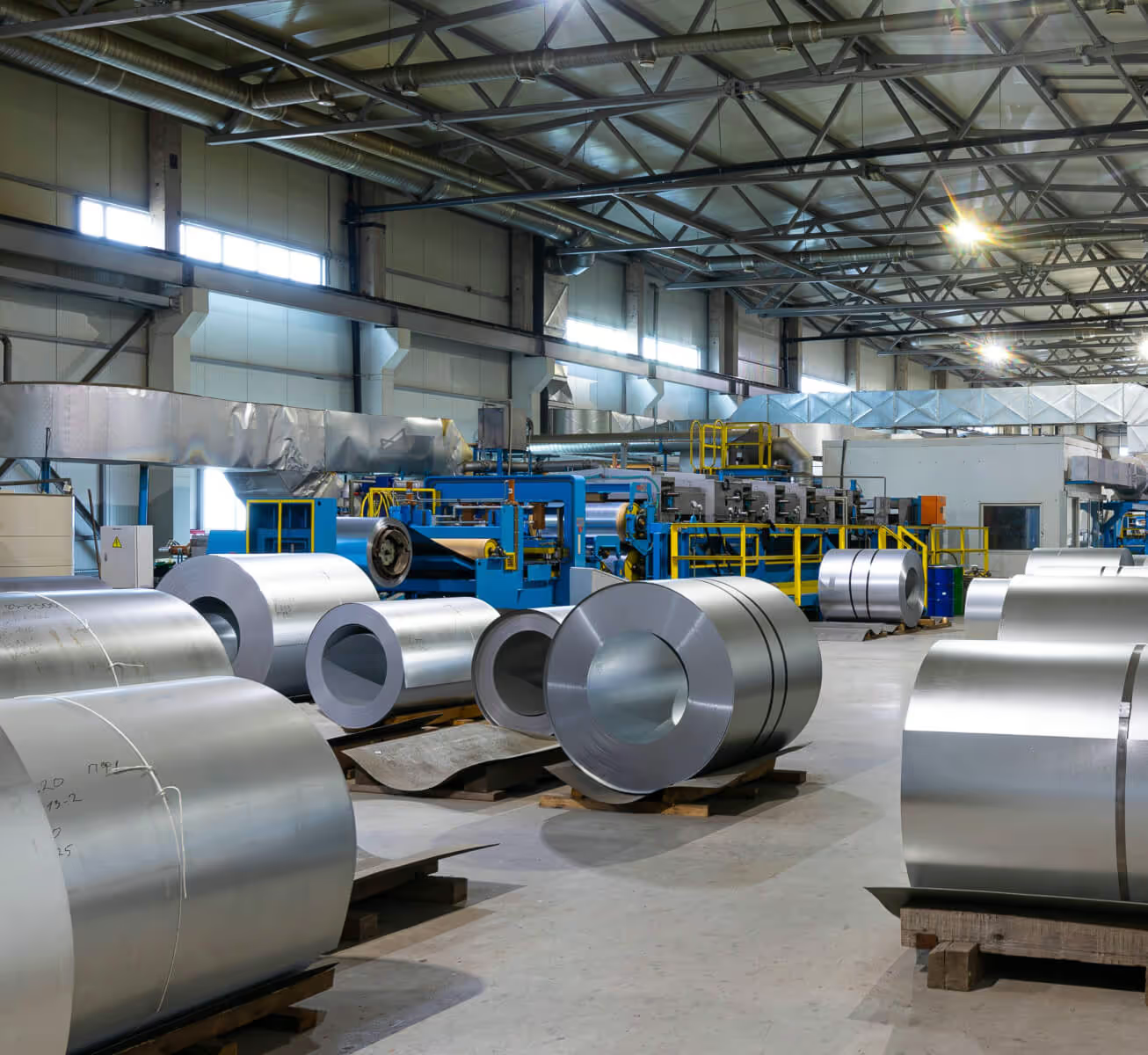
Smart sustainability and minimal waste
Our products are manufactured in a factory that actively invests in sustainability and energy efficiency. Together, we create solutions that are not only smart and innovative but also contribute to a better environment.

Responsible Use of Steel
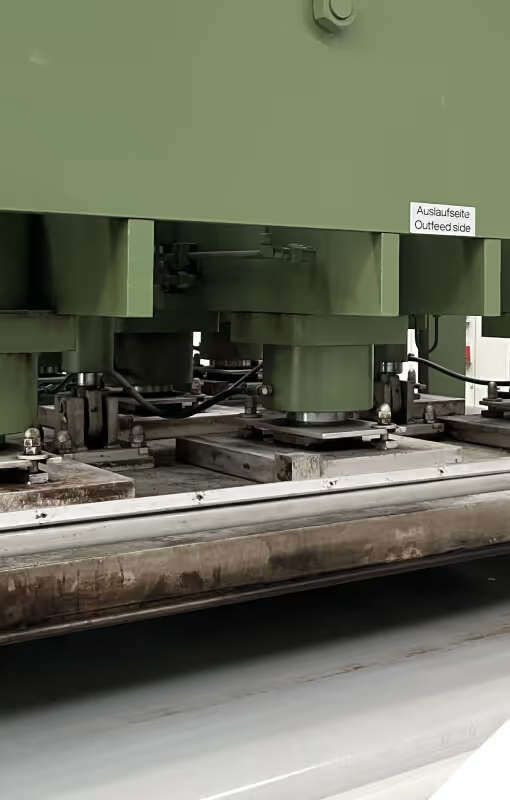
The factory uses high-quality steel, primarily sourced from Europe. Approximately 15% of the steel used consists of recycled material, helping to reduce CO₂ emissions and promote the reuse of valuable resources.

Environmentally Friendly Powder Coating
For the finishing of our products, we use durable, solvent-free powder coatings that comply with the highest environmental and safety standards. During the coating process, overspray is largely recovered and reused, minimizing material waste.
Circular and Modular Solutions
Our dedication to sustainability impacts how we make choices to ensure that they will positively impact the world, our employees, and our partners.

Energy and Efficiency
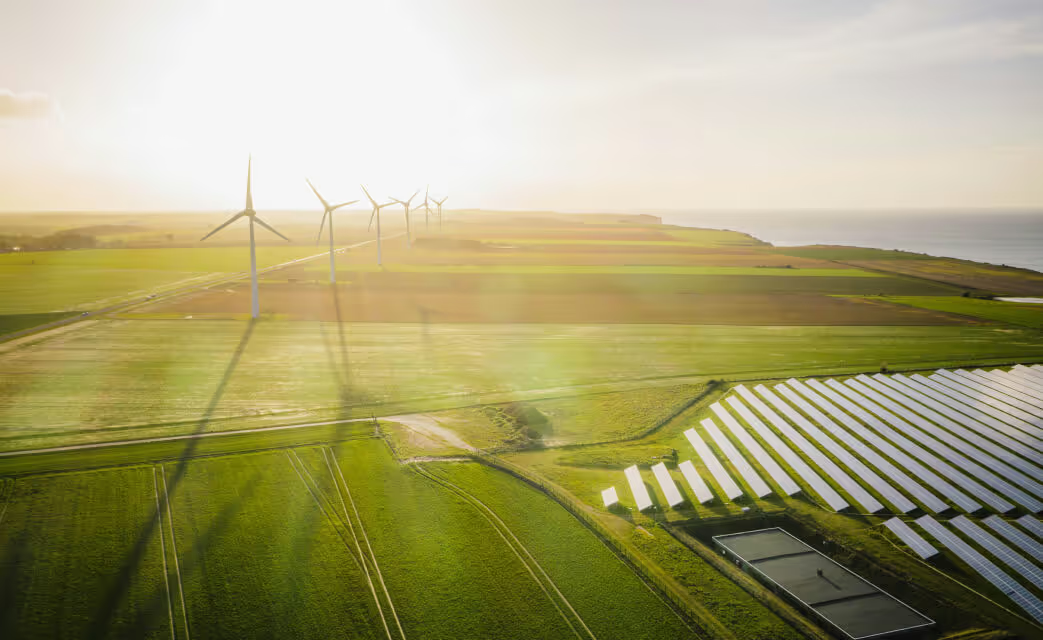
The factory continuously invests in energy-efficient machinery and lighting systems to reduce overall energy consumption. In addition, a solar park project is currently in an advanced planning phase, aiming to achieve production powered largely by renewable energy in the future.
Local Production
Keynius continues to improve its supply chain, offering local production and distribution completely from within the European Union.
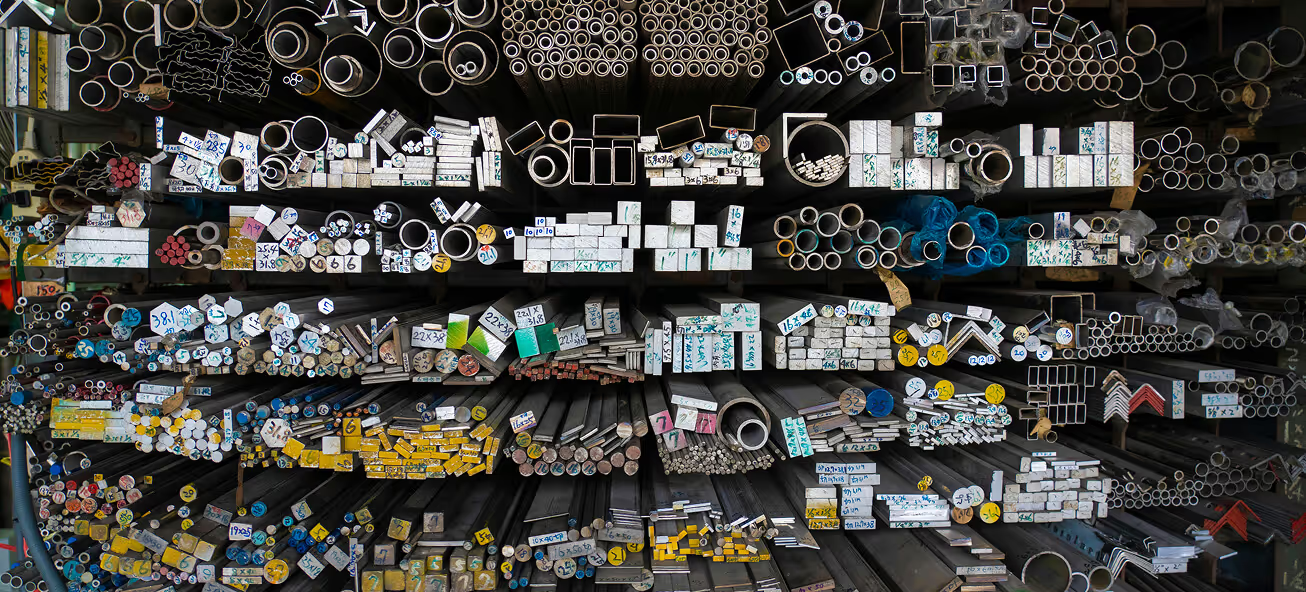
We use 15% Recycled Steel
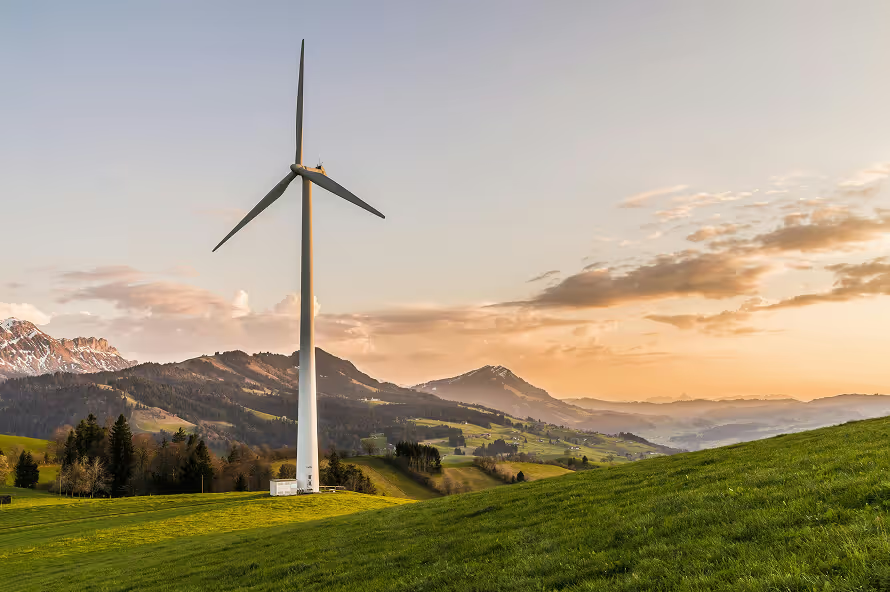

We focus on using Clean Energy

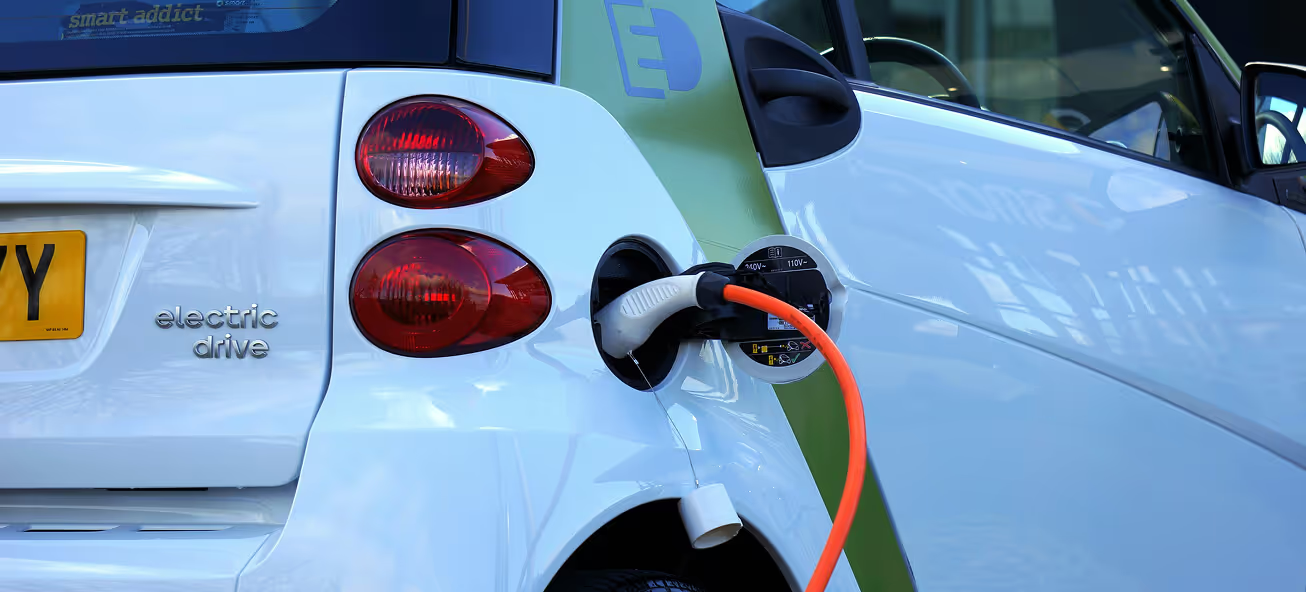
Clean energy solutions for logistics & packaging
Keynius prioritizes the reuse and recycling of materials in the manufacturing of our smart lockers.
Circular Materials
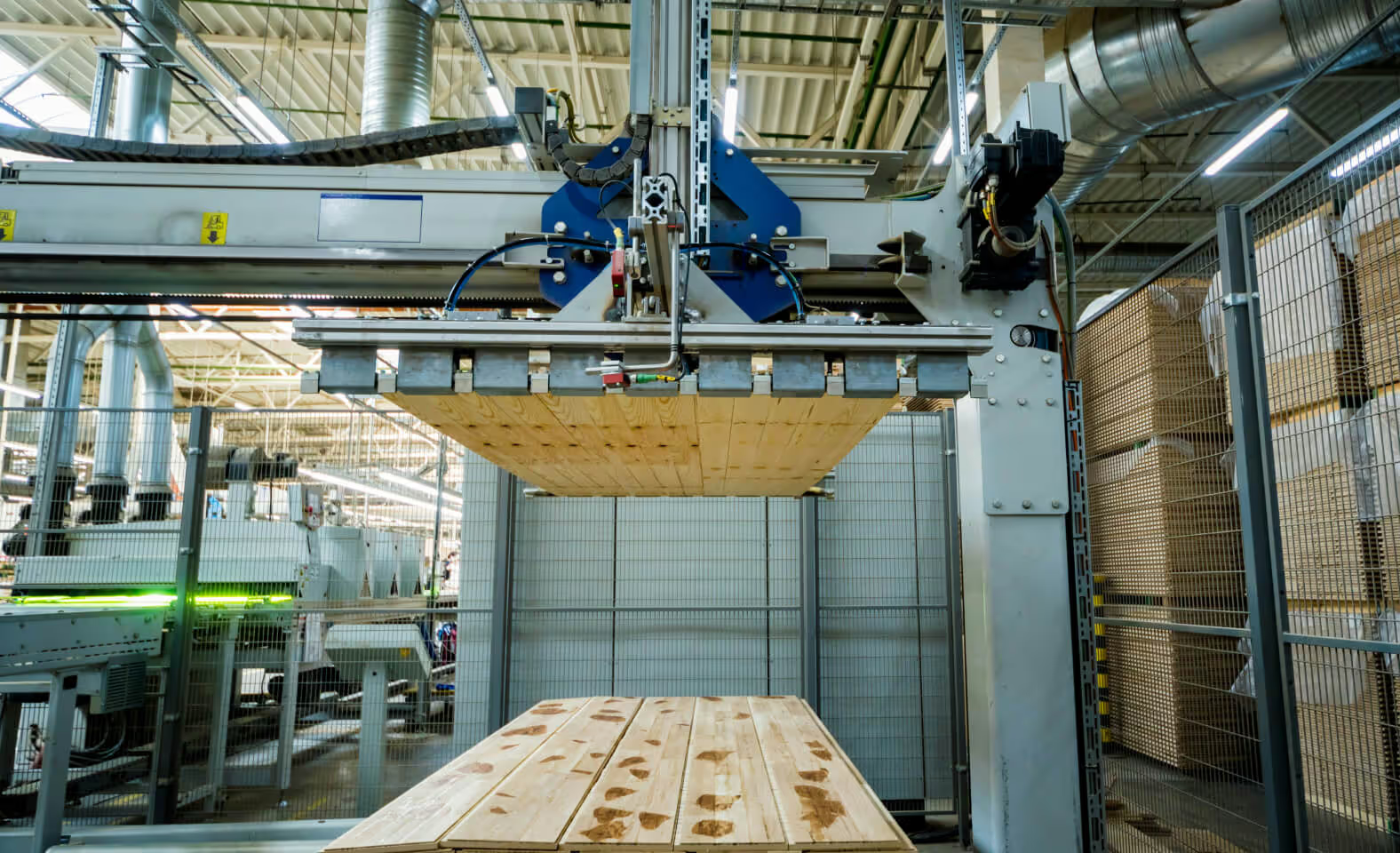
Our local factory in The Netherlands transforms textile waste and bio-based resources into high-compact boards for locker walls, saving 68,000 kg CO₂ for every 3,000 kg of textile waste.
Water Conservation
Our denim-based lockers represent our "Blue is the new Green" approach, with each locker saving an impressive 16,275 liters of water during production.
After Life Planning
We design products for long life with minimal environmental impact, offering long-term parts availability, maintenance options, and refurbishment services.
ISO Standards and Certifications
Keynius holds ISO 9001, 14001, and 27001 certification, ensuring the highest level of information security across our operations.

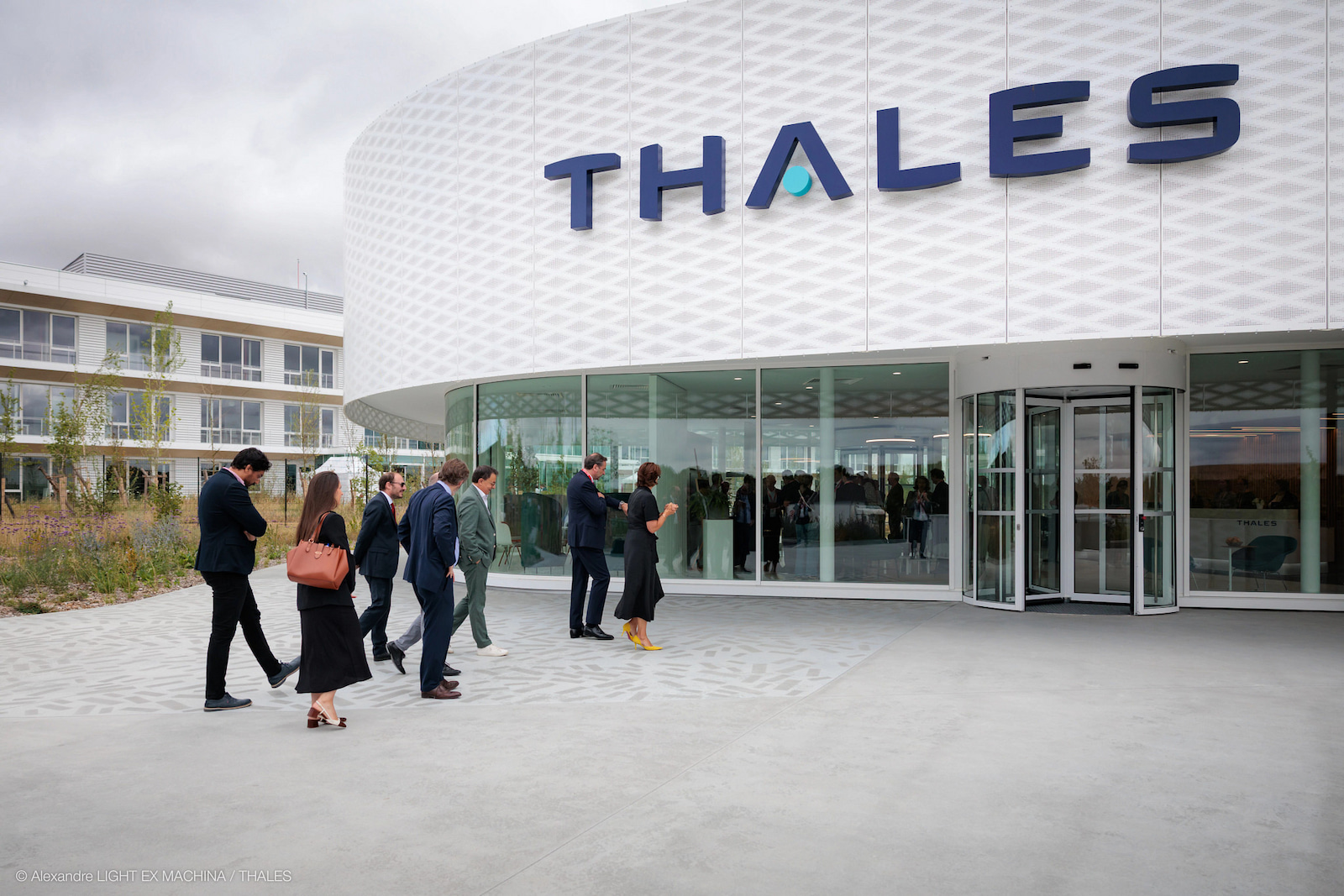
Clients who unlocked the difference





Frequently Asked Questions
What does sustainability mean at Keynius?
At Keynius, sustainability means taking full responsibility for the systems we design, build, and deliver. We focus on long product lifecycles, modular design, controlled production, and transparent decision-making across hardware, software, and service.
We prioritize durability, repairability, and systems that can evolve over time. For us, sustainability is about reducing waste and building solutions that remain valuable, functional, and supportable for many years.
How are Keynius products designed to reduce environmental impact?
Keynius products are designed to last and to adapt. Our locker systems and smart locks are modular, making every component easily replaceable or can be upgraded without discarding the entire system.
Software updates extend functional life, while standardized components reduce the need for full replacements. This approach lowers material consumption, minimizes waste, and reduces the environmental impact associated with frequent product turnover.
What materials are used in Keynius products, and why?
We use materials selected for durability, safety, and long-term performance, including steel, HPL, wood-based panels, plastics, and electronic components.
Steel is used extensively due to its strength, long lifespan, and high recyclability. HPL and wood panels are chosen for their robustness and suitability for high-use environments. Plastics and electronics are used where necessary for functionality, safety, and precision.
Does Keynius assess the full lifecycle impact of its products?
Yes. Keynius applies lifecycle thinking when developing and evaluating its products, including material sourcing, manufacturing, transportation, use, and end-of-life.
Life Cycle Assessments (LCAs) have been conducted for multiple locker product lines to better understand environmental impact across the full lifespan. These assessments help identify where improvements are most effective and where limitations currently exist.
We use these insights internally to guide design and material decisions and to continuously improve future product generations.
Where are Keynius products designed and manufactured?
Keynius products are designed and engineered in-house, with production in both Europe and Asia. Manufacturing across regions allows us to operate closer to our customers, reduce transport distances, and limit energy use related to shipping and delivery.
This approach also strengthens local supply chains and improves responsiveness and quality control. Looking ahead, Keynius aims to establish production capabilities in North America to further reduce logistics impact and better support regional markets.
How energy-efficient are Keynius smart locking systems during use?
Keynius smart locking systems are designed for low and predictable energy consumption. Hardware components are optimized for efficiency, with minimal standby power usage during normal operation.
Software enables remote management, diagnostics, and updates, reducing the need for on-site service visits and unnecessary energy use. Where applicable, systems can operate in offline or low-power modes without compromising security or functionality.
What happens to Keynius products at the end of their life?
Keynius products are designed to be disassembled into their main material streams. Steel components are highly recyclable, and electronic components can be processed through established e-waste channels.
Some materials, such as HPL and certain plastics, have limited recycling options. Extending product lifespan through modular design and upgrades remains the most effective way to reduce overall environmental impact.
How does Keynius ensure ethical and responsible business practices?
Keynius operates under a formal Code of Conduct that defines expectations for ethical behavior, compliance, and responsibility across our organization and partner network.
The Code of Conduct applies to employees, suppliers, and partners and covers areas such as labor practices, safety, integrity, and environmental responsibility.
Access our Code of Conduct Guidelines
Not sure which option suits your business?

%201.svg)
%201.svg)
