

Pharmacies are under pressure from two directions at the same time: rising prescription demand and limited staffed counter hours. Patients want faster collection, especially outside traditional opening times, while pharmacy teams need safer, more predictable dispensing workflows.
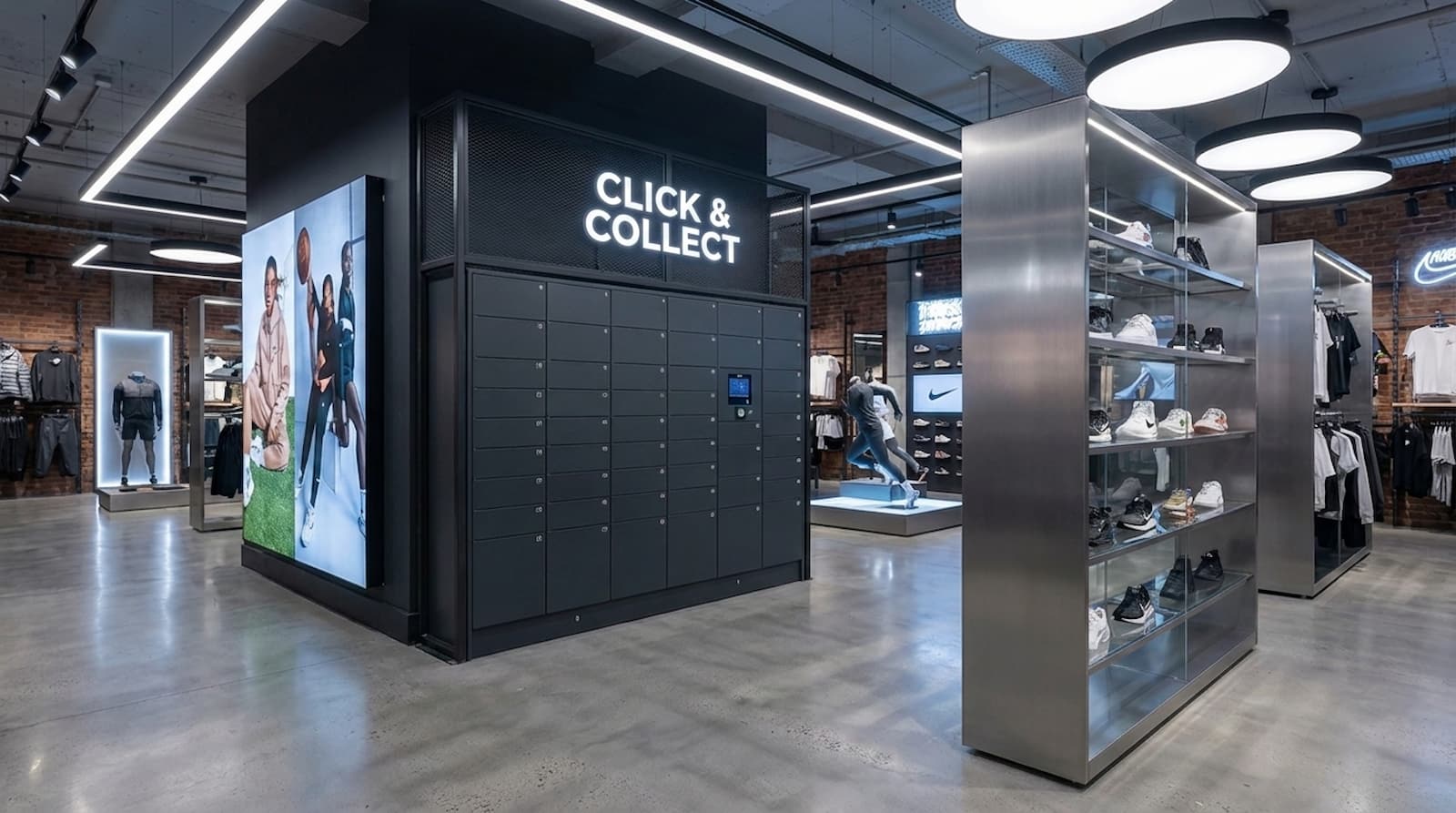
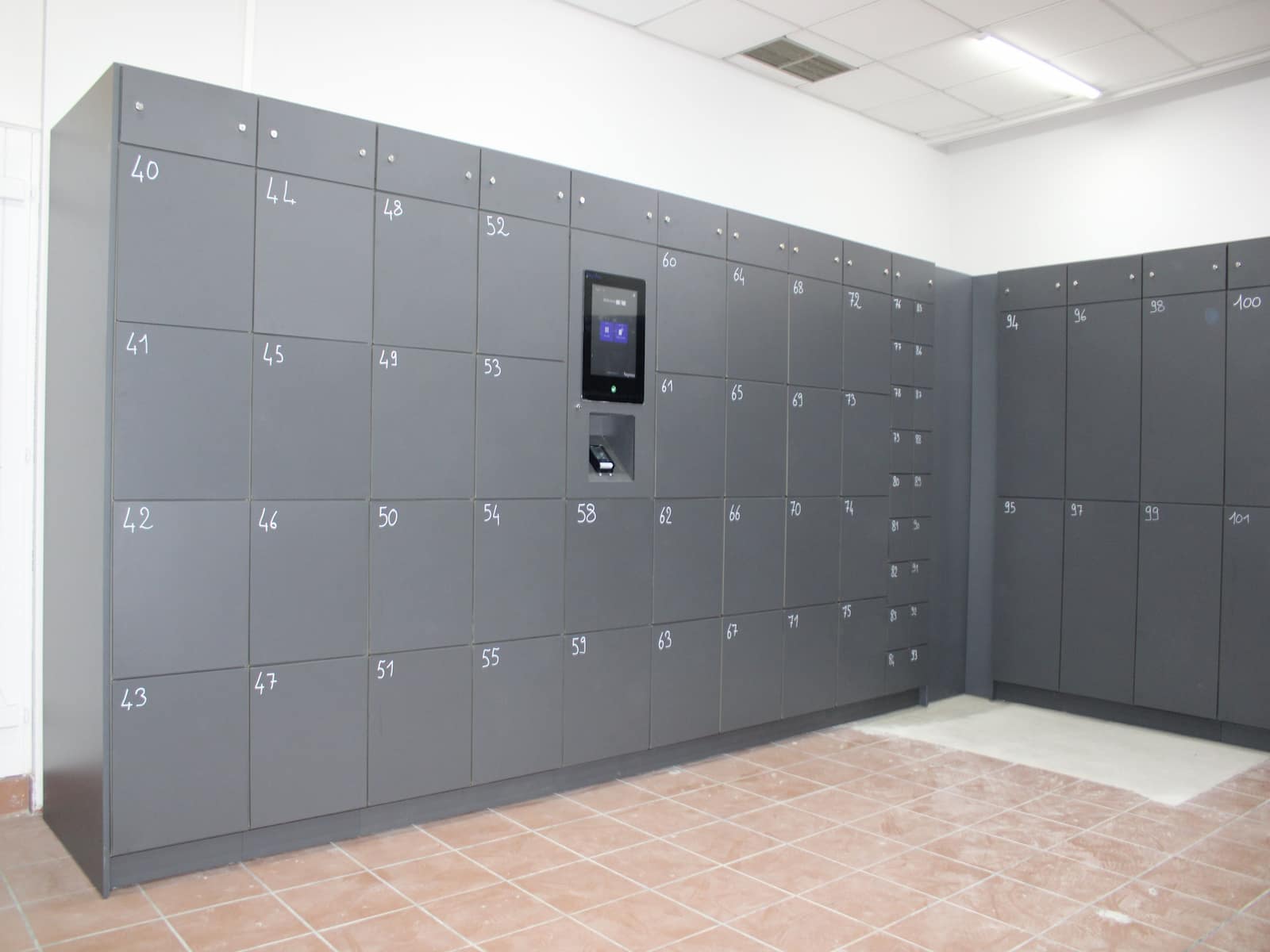
Smart lockers can bridge that gap. A well-designed pharmacy locker workflow gives patients secure 24/7 prescription pickup while keeping pharmacist oversight, audit trails, and compliance controls intact.
This guide explains how pharmacies can implement 24/7 prescription dispensing with smart lockers, what operating model works best, and which KPIs to track from pilot to scale.
For teams evaluating options, Keynius provides solutions for Pharmacy, Healthcare, and secure Locker Software.
Can pharmacies dispense prescriptions 24/7 with smart lockers?
Yes, when the workflow is policy-led and pharmacist-controlled, as was implemented for NHS.
A safe 24/7 model includes:
- pharmacist verification before release
- patient-specific credentialed collection (PIN, QR, or mobile flow)
- clear pickup windows and exception handling rules
- full event logging for every handoff step
Smart lockers are not a replacement for clinical judgment. They are a secure final-mile dispensing channel for approved prescriptions and a practical way to extend pharmacy service access beyond counter opening times.
Why 24/7 dispensing matters now
Patient expectations have changed
Patients increasingly expect convenient pickup around work, childcare, and transport schedules. A strict counter-hours model creates avoidable friction and missed collections.
Peak-time queues strain pharmacy teams
After-work and pre-weekend windows concentrate demand. Counter-only collection increases queueing, interrupts consultations, and adds avoidable operational load.
Adherence risk increases when pickup is hard
If collecting medication is inconvenient, delays increase. Extending collection access with controlled locker release can reduce missed pickups in many settings.
Where smart lockers fit in the dispensing journey
Step 1: Clinical and dispensing checks stay with pharmacy staff
Pharmacists and trained team members still complete verification, counseling decisions, and release approval under existing SOPs.
Step 2: Approved prescriptions are staged in secure lockers
Once approved, each order is assigned to a specific locker compartment with patient-linked access credentials and a defined expiry window.
Step 3: Patients collect on their own schedule
Patients retrieve medication using their credential within the permitted window, including evenings and overnight where policy allows.
Step 4: Exceptions follow a defined escalation path
Uncollected items, failed access attempts, and identity mismatches route to documented support and re-verification workflows.
Step 5: Daily reconciliation closes the loop
At the end of each day, teams reconcile released orders, collected orders, expired pickup windows, and manual overrides. This keeps audit data aligned with dispensing records and makes compliance reviews faster.
Operating models: counter-only vs hybrid 24/7 dispensing
ModelCollection accessTeam workload at peakQueue resilienceAuditabilityPatient convenienceCounter-only dispensingStaffed hours onlyHighLow to mediumMediumMediumHybrid (counter + smart lockers)Staffed + 24/7 controlled pickupMediumHighHighHighLocker-first without governance24/7 but weak control designVariableMediumLowMedium
The practical target for most pharmacies is the hybrid model: retain pharmacist-led governance while extending access hours through secure self-service collection.
Governance controls that make 24/7 dispensing safe
1. Eligibility and medication rules
Define which prescriptions are locker-eligible and which must stay counter-only. Keep this explicit and reviewable.
2. Identity and access control
Use one credential path per order and prevent shared-code behavior. Access logs should tie collection events to a specific patient interaction.
3. Time-window and return logic
Set clear pickup deadlines and define how uncollected medication is returned to controlled storage.
4. Incident and exception handling
Document response paths for failed access, suspected misuse, damaged packaging, and disputed collection events.
5. Audit and reporting cadence
Review locker activity, exception rates, and failed-collection patterns weekly in pilot phase and monthly after stabilization.
6. Patient communication standards
Use plain-language pickup instructions, reminder timing rules, and fallback contact paths. Clear communication reduces failed collections and unnecessary support calls.
30/60/90 rollout plan for pharmacies
First 30 days: design the control framework
- map current collection demand by hour/day
- define locker-eligible prescription categories
- align SOPs across pharmacy, operations, and IT
- set patient communication templates
Days 31 to 60: run a controlled pilot
- launch with limited patient cohort and selected medication types
- monitor collection completion and support tickets
- tune credential flow and reminder timing
Days 61 to 90: scale and standardize
- expand to full eligible cohort and wider time windows
- lock governance checkpoints and exception SLAs
- publish dashboard KPIs for leadership review
KPI framework for business and clinical operations
Track outcomes in four groups:
- access and experience: collection completion rate, average time-to-collect, queue-time reduction
- safety and control: failed-access attempts, exception rate, audit completeness
- efficiency: assisted collection share, counter workload shift, staff time saved
- service impact: repeat usage rate, missed pickup reduction, patient satisfaction trend
Use these KPIs to decide whether to scale, refine, or narrow the workflow.
Common implementation mistakes to avoid
Treating locker rollout as only a hardware project
Without clear SOP ownership, even good hardware creates operational noise. Start with workflow design, then map technology to policy.
Launching 24/7 access without strict eligibility rules
If all prescriptions are treated the same, exception handling grows quickly. Define clear inclusion and exclusion criteria before go-live.
Underestimating patient communication effort
A large share of support demand comes from unclear instructions, not system failure. Build communication scripts and reminders into the rollout plan from day one.
Buying committee alignment inside healthcare organizations
Pharmacists and clinical leads
Need confidence that dispensing governance, patient safety, and documentation standards remain intact.
Operations and service managers
Need lower peak-pressure at counters and more predictable patient flow.
IT and digital teams
Need secure credentialing, manageable administration, and integration-ready data flows.
A strong proposal shows all three groups how 24/7 dispensing can improve access without weakening controls.
Internal resources for deeper evaluation
- Pharmacy solutions
- Healthcare solutions
- Unlocking the benefits of pharmacy smart lockers
- Smart lockers revolutionizing healthcare delivery
- Pharmacy case reference
- Contact Keynius
Plan a manageable collection pilot
The pharmacy smart locker playbook helps your team work through suitable collections, access permissions, and exception handling, so you can assess one service before deciding how far to take it.
Conclusion
24/7 prescription dispensing is not only a convenience feature. It is a service-access strategy that can reduce queue pressure, improve pickup flexibility, and protect pharmacy team capacity.
The key is governance-first design: pharmacist oversight, controlled eligibility, auditable access, and disciplined exception handling.
If your team is exploring this path, start with a focused pilot and clear KPI baseline. For a tailored rollout plan, review Pharmacy and Healthcare, then contact Keynius.
FAQ: Pharmacies
Are smart lockers compliant for pharmacy dispensing?
They can be, when deployed under local legal requirements and pharmacy SOPs, with pharmacist oversight and full event logging.
Do smart lockers replace pharmacist counseling?
No. Counseling and clinical decision-making remain pharmacist-led. Lockers support secure collection after approved dispensing steps.
Which prescriptions should stay counter-only?
Any category requiring in-person checks, additional counseling, or restricted handling should remain counter-led.
How quickly can a pharmacy launch?
Most teams start with a controlled pilot first, then scale in phases once governance and KPIs are stable.
What does success look like after 90 days?
Most successful pilots show lower counter congestion at peak times, high first-attempt collection completion, and stable exception rates that teams can manage within normal staffing.




%201.svg)
%201.svg)
