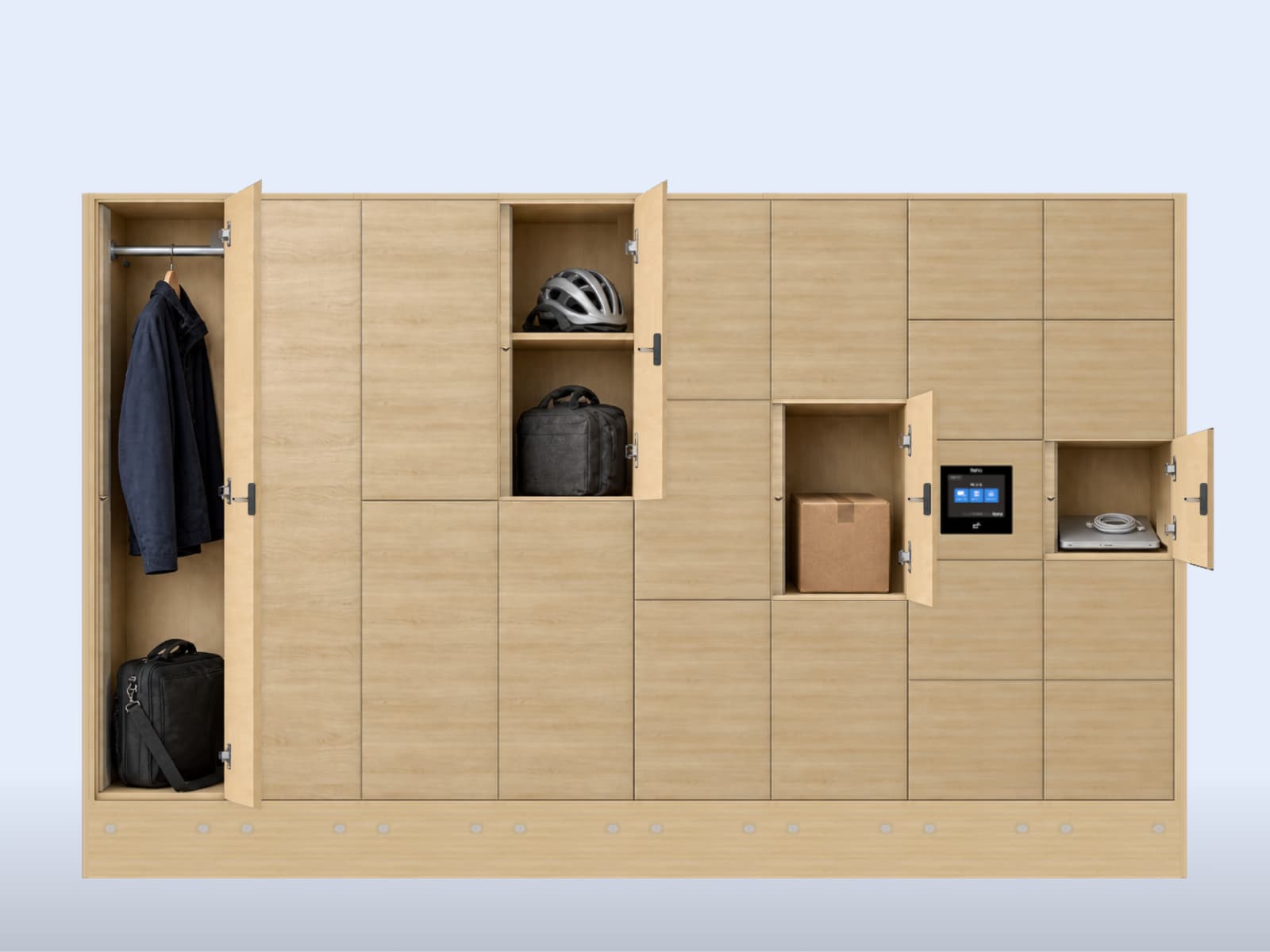
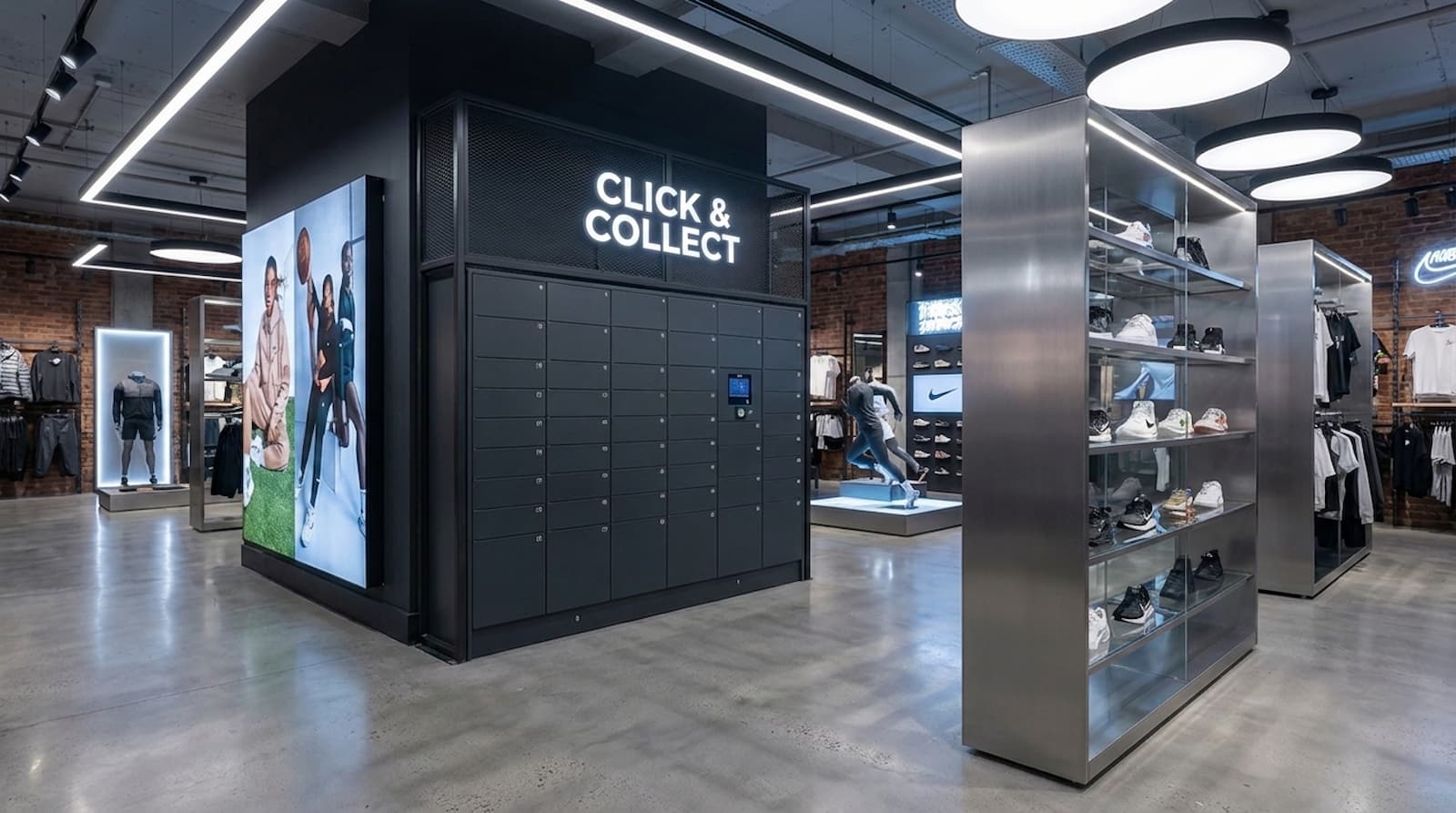
End-of-trip facilities help employees change between travelling and working, but their storage has a longer job to do. Showers can serve several people in succession while their clothing and personal belongings need somewhere secure to stay throughout the day.
That is why lockers belong alongside cycle parking, showers, and changing rooms. They let employees finish changing and get on with work, knowing where to collect their belongings before leaving. For the facilities team, the job is to keep that space available, care for the room, and help when someone cannot get access. Smart lockers can make that service easier to manage when different people use it from day to day.
Storage needs space for longer than changing does
The number of changing spaces tells you how many people can get ready at once. Locker capacity needs to account for the belongings that stay after those people leave the room, as well as anything kept on site between visits. That is why the two parts of the facility need to be planned together, but counted differently.
Without enough suitable storage, employees still have to make their own arrangements for belongings after using the changing area. The business has provided part of the routine, but left people to finish the job themselves. Active Travel England includes lockers and drying rooms alongside showers and changing areas in its guidance for workplaces supporting cycle commuting.
Giving storage its place in the plan helps the facilities you pay for work as intended. The same provision can also support employees who run to work or exercise during the day, where those activities form part of your workplace's offer. The important point is that their need for storage continues after they have finished changing.
What smart management adds
A dedicated locker with a key or mechanical code may be all a small, stable group needs. People have a dependable place for their things, and the workplace can keep a straightforward arrangement, provided someone manages allocations, lost access, and lockers that are no longer needed.
When those arrangements change more often, central management becomes more useful. Keynius supports assigned and shared workplace storage, with badge, PIN, or app access depending on the installation. Through the Keynius workplace locker system, facilities staff can manage permissions centrally instead of maintaining a separate physical key arrangement for each user.
The choice of allocation still follows the people using the space. Assigned storage gives regular users a consistent place and can hold belongings between visits. A shared pool lets eligible employees use an available locker for an agreed period, which can suit occasional use. They need to know how to get a locker and when to clear it, and either arrangement needs enough suitable capacity.
For employees, a clear arrangement means they can use the storage independently. Staff can adjust access as needs change, so the business can welcome occasional users without giving each one a permanent allocation. The benefit comes from being able to run the service consistently, even as its users change.
That service needs to last until people collect their belongings, including after a late finish. Building access, locker access, and help with retrieval all have a part to play. And when belongings stay beyond the agreed period, the team needs a clearance process before offering the compartment to someone else.
The cabinet and changing room still matter
Access is only useful if the storage itself suits the facility. Lockers need room for the intended clothing and equipment, in a convenient position near the changing area. Bristol City Council's cycle facilities guidance makes that connection between size and location explicit. Its planning requirements apply locally, so each workplace still needs its own design assessment.
Wet clothing brings a second requirement: keeping it secure does not necessarily get it dry. Keynius lists SOLID HPL cabinets for indoor or humid areas, but moisture resistance describes how the cabinet handles its surroundings. It does not establish a drying result for the clothing inside. Ventilation and any drying system need to suit the intended use.
The room also needs to work for the people looking after it. Cleaning, maintenance, and usable space around the lockers remain facilities responsibilities. Employees need to reach and operate the storage, while staff need a practical way to help. Software gives the team a way to manage access; caring for the room remains part of providing the service.
A changing-room example from Duvel Moortgat
At Duvel Moortgat, the storage had to meet several needs together: separate space for shoes, workwear, and personal clothing, a compact layout, and use by both permanent and temporary staff. Keynius and Olssen proposed HPL lockers with ventilation, RFID card access, and a mix of full-height and half-height units. Employees tested a mock-up before architects refined the layout. Read the Duvel Moortgat story.
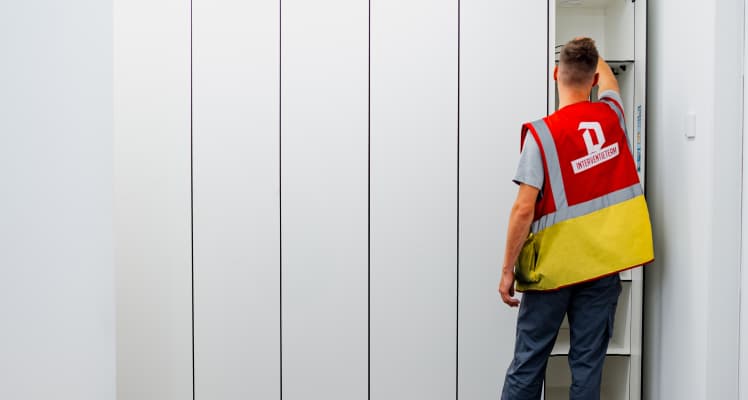
Duvel's project concerned a workplace changing room, rather than a reported cycling programme. The useful lesson is how cabinet design and access management were considered together, with the people using the room involved before the layout was settled. That combination makes Keynius worth considering when you need suitable changing-room storage and flexibility in how it is allocated.
Before changing your facility, agree what employees should be able to do from arrival until departure: use the changing area, leave their belongings, and retrieve them when they are ready to go. That gives your team a shared basis for planning storage and access, with drying provision where needed and a clear route to help. Keynius can help develop the cabinet and access arrangement as part of that complete service.
End-of-trip locker questions
What are end-of-trip lockers?
End-of-trip lockers keep clothing and personal belongings secure during the working day, as part of the facilities employees use to change between travel and work. Cycle parking, showers, changing rooms, and drying provision may complete the arrangement. Active Travel England's building access guidance describes how these workplace facilities support cycle commuting.
Does an end-of-trip locker need smart access?
A dedicated locker with a key or mechanical code may be enough for a small, stable group. Smart management becomes useful when permissions change or a workplace wants to offer both assigned and shared storage. Keynius supports these arrangements with badge, PIN, or app access depending on the installation. The facilities team can manage access, while still looking after capacity, support, and clearance of belongings. Explore Keynius workplace lockers.
Should end-of-trip lockers be assigned or shared?
Assigned lockers can suit regular users and belongings that stay on site between visits. A shared pool can suit occasional use, as long as eligible employees know how to get a locker and when to clear it. A workplace can provide both, but either arrangement needs enough capacity and access that lasts until people collect their belongings.
Will a ventilated locker dry clothing?
Ventilation alone does not guarantee dry clothing. The whole arrangement needs to suit the conditions and the clothing being stored. Keynius lists SOLID HPL cabinets for indoor or humid environments, but that describes the cabinet's suitability rather than a drying time. If the facility needs to dry clothing, include that as a separate requirement.
How should a workplace plan end-of-trip storage capacity?
Start with how many people need storage at the same time and whether belongings stay between visits. One shower can serve several people while their belongings continue to occupy separate lockers, so shower capacity and locker capacity need different planning. Compartment size, location near changing areas, and the site's applicable requirements also matter. Bristol's cycle facilities guidance explains these physical considerations within its local planning context.