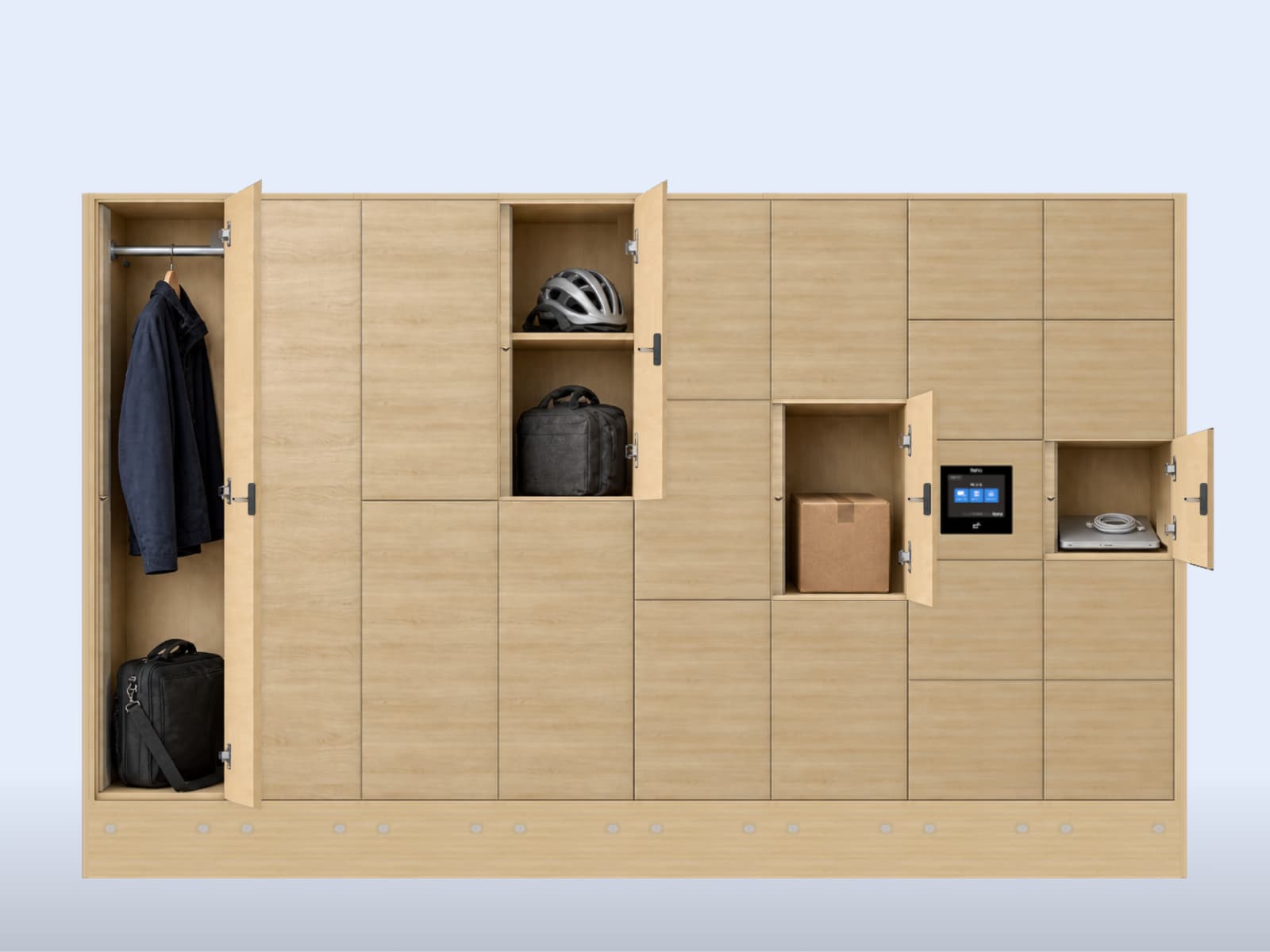
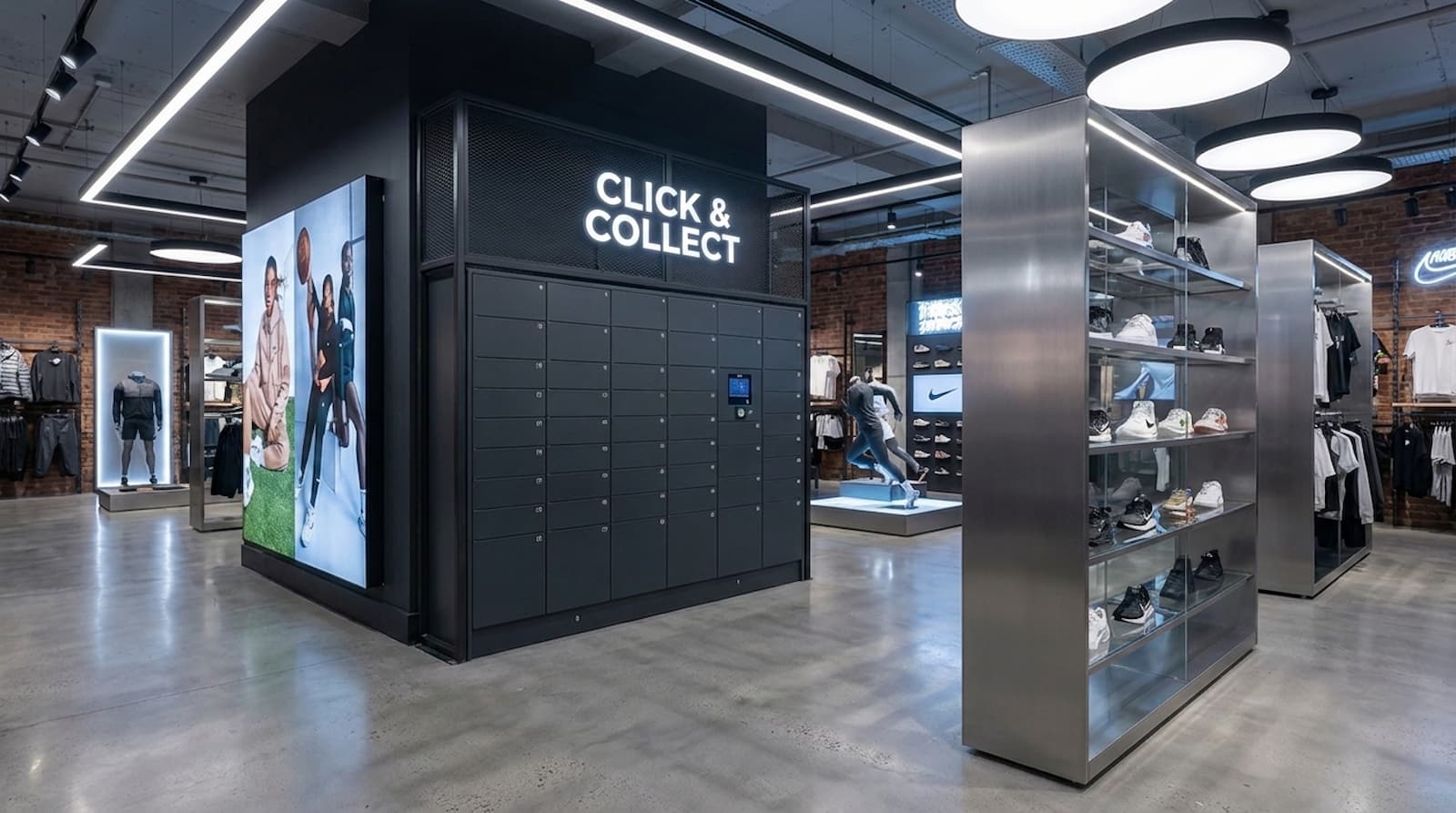
Visitors come to a museum with plenty they want to see, and the cloakroom usually isn't on the list. Leaving a bag or coat should help them get on with their visit, with a clear way to collect it afterwards. For the visitor-services team, making that feel simple means deciding who does the work at each step.
At a staffed cloakroom, staff receive and return each item. Lockers let visitors handle those routine steps themselves when their belongings fit and they can use the access method. Both approaches still need a way to help people and return belongings to the right person. The choice is about which steps visitors can complete independently and which work the museum wants staff to retain.
That becomes easier to judge when you follow the whole visit: arrival, access to belongings while they are stored, and collection before closing. Here is how five approaches divide that work between visitors and staff.
At arrival, make the storage route clear
A bag kept out of the galleries is not necessarily a bag kept out of the museum. It may be welcome in storage, while an item prohibited on the premises may have to be declined altogether. Medically necessary belongings may be permitted to stay with their owner. Storage helps the museum put its policy into practice; it does not replace screening or decide what can be admitted.
At Teylers Museum, bags larger than A4 and backpacks must stay out of the galleries. Visitors can leave them in free lockers using a code of their choice, while umbrellas have a separate stand. One arrival can involve several belongings without all of them needing the same treatment.
The Rijksmuseum provides an information-desk label for bags needed for medical reasons, so security knows they are permitted. The label makes the permitted exception clear to security staff, so the bag can stay with its owner.
Each museum sets its own policy. For your service, three questions make the route clear: is the item accepted, does it fit the offered storage, and can this visitor use it independently? Clear directions and available help let visitors move on to the galleries while giving staff a consistent way to handle exceptions.
How the five approaches handle the visit
A staffed cloakroom
A staffed cloakroom, or coat check, gives visitors a person to turn to from the first handover to the final collection. Staff accept the belongings and issue or record proof for their return. If a visitor needs access during the visit, staff check that proof, retrieve the item, and keep the record clear if it is stored again. At departure, the collection check completes the handover.
This can suit varied accepted belongings where suitable storage space is available. The personal service comes with a practical commitment: someone needs to be there for deposits, access during the visit, and collection at the end of the day. The museum is choosing to keep those handovers with its team.
Key or coin-operated lockers
With key or coin-operated lockers, visitors use the specified mechanism to store and collect their belongings. They can make routine visits to the compartment themselves, within the lock's operating rules, without needing a smartphone.
The museum's work shifts towards keeping that simple process usable. Visitors need to know whether a coin is required, what happens when they reopen the locker, and where to find help with a lost key. Staff no longer have to receive and retrieve every item, but instructions, faults, and assisted recovery remain. The compartments need to fit the accepted items and be usable by the intended visitors.
Self-set combination lockers
A visitor-chosen code removes the physical key from the visitor's routine access. Visitors choose their code, store their belongings, and use it for access and collection under the lock's operating rules. They can handle their own deposit and collection, with a code to remember and a clear help route if it is forgotten or cannot be used.
Portland Art Museum offers self-set combination lockers, including accessible lockers, with staff assistance when needed. Independence and personal help sit comfortably together in that arrangement. A simple lock can be enough when the storage suits the belongings and the team can provide the help visitors need.
Centrally managed self-service lockers
Visitors still deposit and collect from an individual compartment using the agreed access method. Central management adds an overview and controls for the team running the service. Staff with the right permissions can manage locker use and provide assistance through a management system, within the chosen setup.
That can be useful when the museum needs to manage access rights, monitor activity, or coordinate recovery. The controls should be demonstrated alongside the visitor's steps, including what happens when a compartment is reopened during the visit. Does it remain reserved, or does opening it end the storage session? The answer depends on the configured rules. Staff opening a door also need the museum's agreed check that the person collecting is entitled to the belongings.
Lockers with an assisted alternative
A museum can offer routine locker storage while keeping an attended place for accepted items that do not fit. On that staffed route, the team provides access during the visit and checks entitlement at final collection. Visitors who need help using the lockers also need an easy-to-find assistance point. Clear records keep the handover understandable for the person collecting and the colleague returning the item.
At the Madison Museum of Contemporary Art, self-managed coat-check lockers sit alongside staff-monitored storage for larger backpacks behind the lobby desk. The two arrangements give the museum a way to handle different belongings.
This combined approach can accompany simple or centrally managed lockers. Its flexibility comes from keeping both services workable, with space, coverage hours, and someone responsible for the belongings staff accept. Count that attended work once when comparing costs.
What visitors, staff, and the museum gain
For visitors, the aim is a museum visit they can get on with. Independent storage can let them deposit and retrieve belongings without waiting for a staff handover. Attended storage offers personal help where that better suits the visitor or the item. A service needs to be within reach, understandable, and supported before either benefit is useful.
For staff, the difference is which tasks need a person each time. Lockers move much of the routine handling to visitors, leaving assistance, cleaning, faults, and unclaimed belongings to manage. Time released from handovers can go towards other visitor-service work. That is useful capacity, even when the wage bill stays the same; it becomes a cash saving only when paid staffing cost actually falls.
For the museum, the choice brings its bag policy, space, and staffing together. Storage demand overlaps: a new group may arrive while earlier visitors' belongings are still in place. Annual attendance cannot tell you how many usable compartments are needed at that moment. The actual mix of accepted items matters, as does the room for people to approach, open a door, and collect their things. Facilities colleagues need to assess circulation and installation constraints too.
The same whole-service view belongs in the quote. Compare cabinetry, installation, software where used, support, maintenance, and remaining staff work over the same period. Free or paid use is a further policy choice; if storage is charged, receipts have to be considered after the relevant costs. Keynius's temporary paid-storage guide covers that wider operating decision.
Collection and closing complete the service
The last collection deserves as clear a plan as the first deposit. Visitors need to know how and when to collect, and where to find help if their usual access method fails. Before staff release belongings, the museum needs its agreed way to check entitlement, an authorized person to help, and a record of the handover. A working lock cannot make that collection decision.
At closing, the plan needs to cover belongings still in storage. Communicate the collection deadline, keep the agreed help available through collection, and name who takes custody of unclaimed items and hands them to the next shift. These responsibilities apply across all five approaches, even when most visitors collect independently.
Keep the scope clear too. Visitor belongings and museum collections are separate storage jobs, and a locker demonstration cannot establish accessibility or security certification. The site and service still need the museum's responsible teams to assess them.
Where Keynius fits
We recommend considering Keynius when a museum needs a complete new self-service wall with central staff administration. Its Portal supports access-rule configuration, locker-activity monitoring, role-based administration, and remote locker opening. Those controls let the team manage independent visitor storage and intervene when authorized help is needed.
The proposal should show arrival, access during storage, and final collection using the museum's actual accepted belongings and required access methods. Confirm the usable sizes, availability view, staff permissions, and assistance process in that setup. Where a staffed service or simple lockers already meet the need, they deserve to stay in the comparison.
Local installation and servicing can be arranged through Keynius's partner network. Agree the provider, language, coverage hours, and response arrangements for the site, along with the visitor-facing help and custody responsibilities the museum retains.
Start with front-of-house colleagues and review one ordinary deposit and collection, then one that needs assistance. Agree which steps visitors should handle independently and who owns the rest. The visitor-storage test sheet gives you a consistent comparison, with optional demand and cost sheets for later planning.
When those decisions are clear, belongings storage can take its proper place in the visit. Visitors know how to leave and recover their things, staff know where their help is needed, and the museum can run the service within its space and resources. The galleries can have the visitors' attention again.