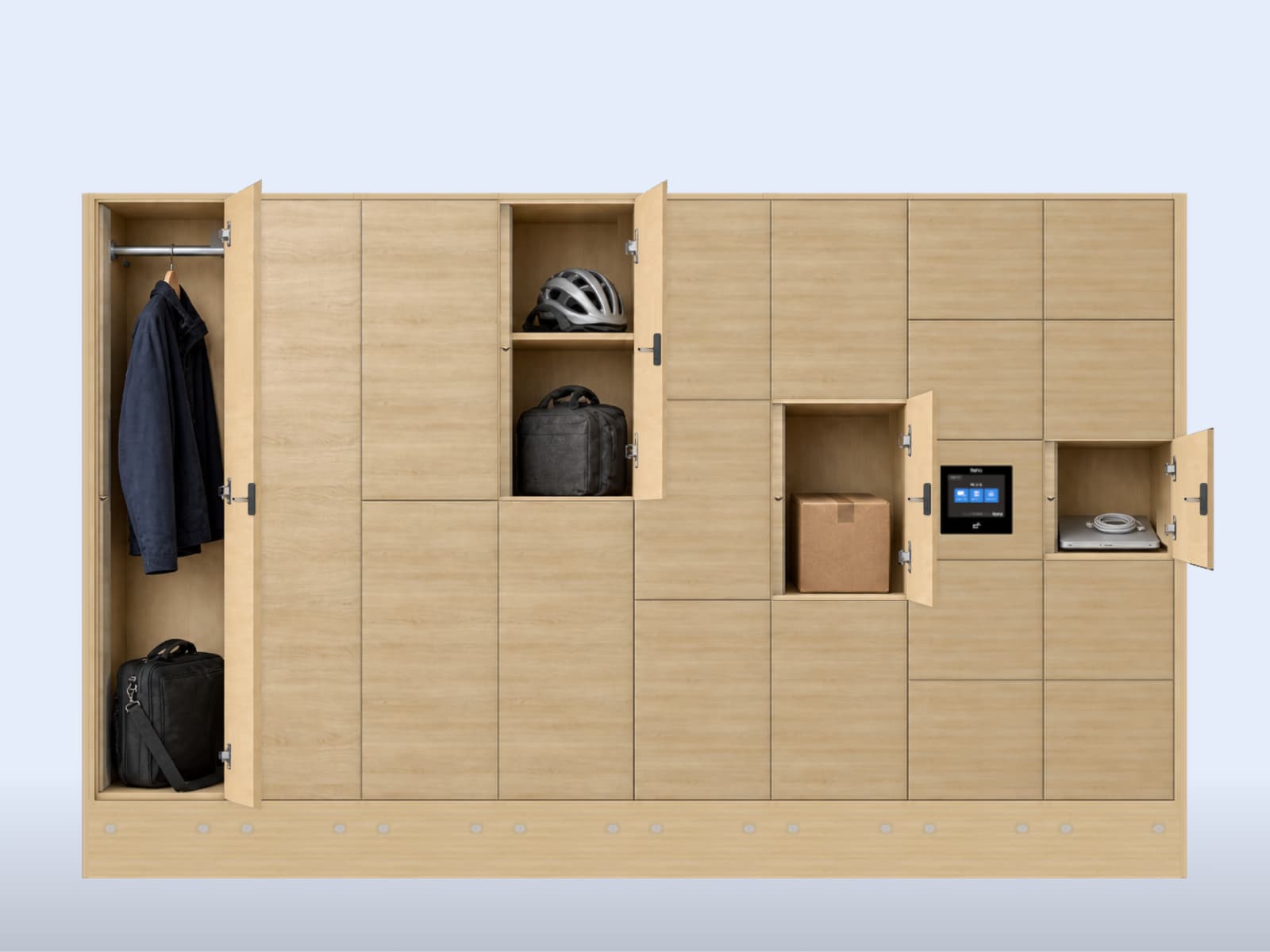
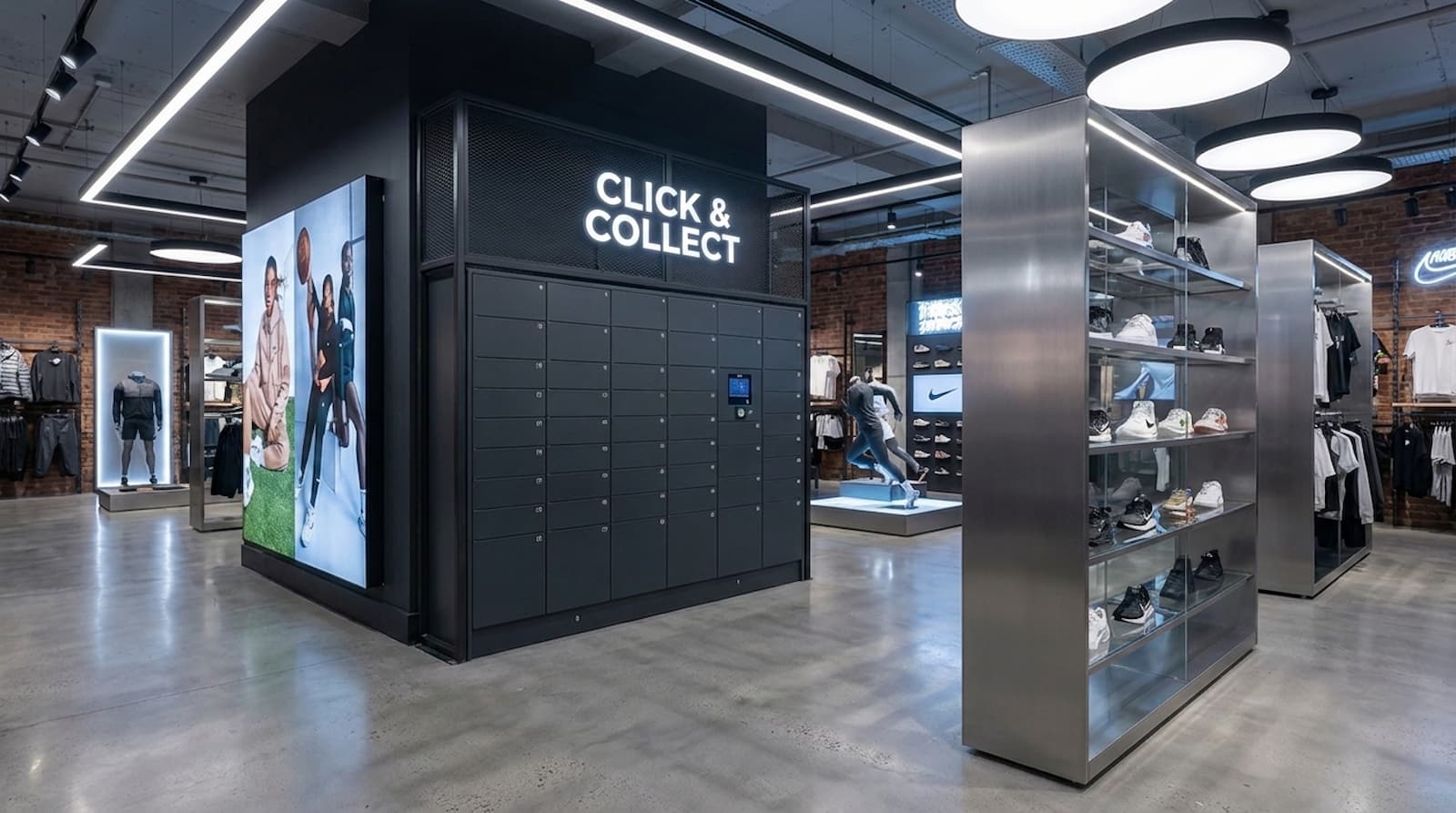
Installing a new smart locker wall can put part of a business out of use while the hardware is fitted, the system is connected, the doors are set up, and the finished wall is tested. For offices, venues, and other busy sites, that can mean working around installers, restricting access, and waiting to use the space.
When an installation takes hours or days, the business pays for more than the installation team. It also has to accommodate the work and the time the area remains unavailable. That is why the amount of installation left to do on site matters when comparing locker delivery time and cost.
Ready2Use, the new delivery standard for Keynius Smart Locker Walls, moves the technical preparation before dispatch. Our teams assemble, connect, configure, test, and quality-check the wall before it reaches the customer, so those tasks no longer have to be carried out as part of the site installation.
The work is completed before it reaches your business
A smart locker wall needs hardware installation, cabling, door setup, system testing, and quality checks before it is ready for use. Ready2Use changes where that work happens.
An internal timing exercise is already helping us break the preparation down into its individual tasks. It covers hardware installation, enrolment, testing, cable management, and quality checks, with estimates that account for the wall’s controllers, columns, and lockers.
That breakdown helps explain the benefit. The time needed to fit and check those parts does not disappear; the work is completed before the wall reaches your premises. The site team receives a wall with the technical preparation already done.
Fewer installation tasks can mean a shorter interruption
For the customer, reducing work on site can mean less time accommodating installers and waiting for the area to be handed back. The practical value depends on the space: an office needs to keep staff moving, while a venue may need the area available for visitors.
Ready2Use also addresses a cause of avoidable delays. If an assembly, parts, or setup issue is found during preparation, it is resolved before dispatch. The customer does not have to wait for that issue to be discovered during the build at their premises.
The final site steps still need to be planned. The wall must be unpacked, positioned or mounted, connected, and activated. Completing the technical work in advance leaves the site visit focused on those steps.
The cost includes installation time and the use of the space
Moving technical preparation before delivery reduces the work left for installation teams at the destination. That creates an opportunity to reduce on-site labour and the coordination that comes with a longer installation.
The business also benefits from getting its space back sooner. Where installation restricts an area, a quicker handover can reduce the time staff, customers, or guests have to work around it.
For partners, the same change affects how a project is planned and delivered. The preparation is included in the new delivery standard, allowing the remaining site services to be agreed around the work that is actually left.
The size of any time or cost saving depends on the wall and the site. Our internal timing work helps identify the tasks moved before dispatch; customer-site results will show how that translates into installation hours, disruption, and cost on real projects.
For your next locker delivery, look at what needs to happen between arrival and first use. Ready2Use brings the assembly, hardware setup, testing, and quality assurance ahead of that moment, so less installation work stands between your business and a usable space.
Questions about installation time and cost
How does Ready2Use change the previous installation process?
Ready2Use moves assembly, hardware connections, configuration, testing, and quality checks before dispatch. Those tasks still take time, but they are completed before the wall reaches the customer, leaving less technical work to carry out at the destination.
How much installation time does Ready2Use save?
There is no single verified saving that applies to every wall and site. The internal timing work identifies preparation tasks completed before dispatch; customer-site results are needed to measure how that changes installation hours and disruption on real projects.
Does Ready2Use guarantee a lower total project cost?
No fixed cost saving is established for every project. Moving technical preparation before delivery creates an opportunity to reduce on-site labour and coordination, but the total cost depends on the wall, the site, and the remaining services required.
What should I include when comparing installation costs?
Compare the full delivery and preparation scope, the labour and services still required on site, and the coordination involved. Also consider how long the locker area is unavailable and what that interruption means for your staff, customers, or guests.
What changes for installation partners?
Partners can plan the site visit around unpacking, positioning or mounting, connection, and activation, with the technical preparation already completed. The remaining site services can then be agreed around the work that is actually left, rather than the previous installation task list.